

If you own a home in Washington State and your roof is leaking, worn out, or just looking old, you already know one thing: roofing isn’t cheap. A full replacement can cost thousands of dollars, and most homeowners don’t have that kind of money sitting in their bank account.
The good news is that you do have options. There are free roof inspections, loan programs, company financing, and even some government or nonprofit support that can help make a new roof more affordable.
Think of this as a friend walking you through your choices so you can make a smart decision without getting overwhelmed.
Step 1: Start With a Free Roof Inspection and Written Quote
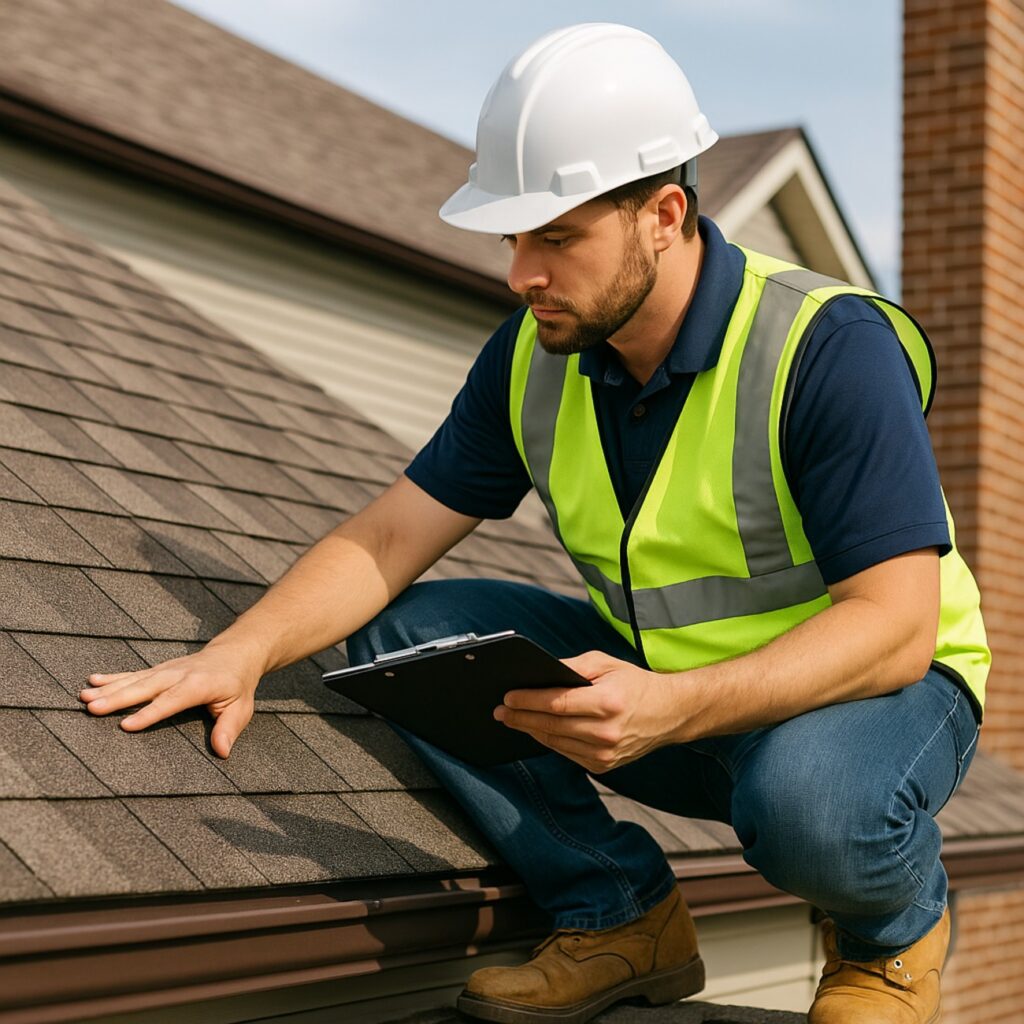
Before you talk about loans, you need to know what you’re actually paying for.
Most reputable roofing companies in Washington State offer:
– Free roof inspections
– Free written estimates
– A breakdown of labor, materials, and warranty
When you schedule an inspection, make sure you ask for:
1. Photos or clear explanations of the problem areas
2. A written quote, not just a number said over the phone
3. Options, such as repair vs. full replacement, and different material choices
This quote becomes your starting point. It will help you decide how much you need to borrow and compare offers from different lenders or roofing companies.
Step 2: Understand Your Roofing Loan Options
When people say “roofing loan,” they are usually talking about one of these:
1. Home Equity Loan or HELOC
This type of loan uses your home’s value as collateral.
– Often offers lower interest than a personal loan
– You borrow a lump sum (home equity loan) or have a flexible line of credit (HELOC)
– Good for larger projects if you have enough equity and solid credit
2. Personal Home Improvement Loan
This is usually an unsecured loan (no house used as collateral).
– Faster to get approved in many cases
– Doesn’t require you to tap into your home’s equity
– Interest rates are usually higher than home equity loans
3. Roofing Company or Partner Financing
Many roofing companies in Washington work with banks or credit unions to offer payment plans.
– You apply through the roofing company’s partner
– You may see offers like “no money down” or special promotional plans
– The financing is still handled by a lender, not the roofer themselves
Long-Term vs. Short-Term Roofing Loans
You’ll usually see different loan terms (how long you’ll be paying it back).
Long-Term Loan (for example, 10–15 years)
Pros:
– Lower monthly payments
– Easier to fit into a tight monthly budget
Cons:
– You pay more in total interest over the life of the loan
– You stay in debt for a longer period
Short-Term Loan (for example, 3–7 years)
Pros:
– Higher monthly payment, but
– You pay less total interest
– You become “debt free” on the roof sooner
Simple rule of thumb:
Choose the shortest term you can comfortably afford without stressing out your monthly finances. If money is tight, a longer term might be more realistic. If your income is stable and you want to finish quickly, a shorter term can save you money in the long run.
Step 3: Example Roofing Companies in Washington That Offer Financing
Here are some examples of roofing companies in Washington State that advertise financing or payment plans. On your website, you can link each name to its financing or “payment options” page:
– Valentine Roofing – Known for residential roofing across Western Washington and offering financing options for home exterior projects.
– Interstate Roofing – Provides roof financing options, explaining how fixed monthly payments work for roof replacement.
– Elite Roofing & Remodel – Works with a credit union partner to offer structured home improvement financing for their roofing customers.
– Masters Roofing – Offers roof and home improvement financing through a partner lender, designed specifically for homeowners.
– Brisco Roofing – Teams up with banks and financing platforms to provide flexible payment plans for roof replacement projects.
These are examples, not personal recommendations. Always compare:
– The roofing company’s reputation (reviews, years in business, licensing)
– The lender’s loan terms, not just the convenience of applying through the roofer
Step 4: Government and Nonprofit Help You Might Qualify For
If your income is limited or your roof is a serious health or safety issue, it’s worth checking whether you qualify for help beyond standard loans.
Here are some types of programs that may be available in Washington State:
– Federal rural repair programs that help low-income homeowners in eligible rural areas with critical repairs, including roofing
– City or county home repair programs that offer zero-interest loans or grants for essential health and safety fixes (such as roof leaks that threaten the structure or livability)
– State or local home rehabilitation programs that focus on making homes safe, dry, and energy efficient
In many cases, these programs are income-based and may have waiting lists, but they can significantly reduce the cost of your roof if you qualify.
You can also contact a statewide resource such as a homeownership or housing assistance center in Washington. They can help point you toward local programs in your county or city.
Step 5: Energy-Efficiency Upgrades and Possible Incentives
If you’re upgrading your roof as part of making your home more energy efficient—for example, improving insulation or choosing certain materials—you may be able to connect your project with:
– Federal energy-efficiency incentives or tax credits
– Local utility rebates for certain home improvements that reduce energy use
Not every roof will qualify, but if your contractor is also improving insulation or making energy-related upgrades at the same time, ask whether any incentives apply. A quick question to your utility company can also help you find out what’s currently available.
Step 6: What to Check Before You Sign Any Loan
Before you agree to any roofing loan or financing plan, take a moment to slow down and review:
1. Total Project Cost
Make sure the quote includes materials, labor, permits, and disposal of old roofing.
2. Loan Details
Look at:
– Monthly payment
– Loan term (how many years)
– Whether the interest rate is fixed or variable
– Any fees or penalties for paying off early
3. Contractor Credentials
Confirm the roofer is licensed, bonded, and insured in Washington State, and offers a clear written warranty.
4. Don’t Borrow More Than You Need
Focus on the roof and necessary related work. Add-ons and upgrades are nice, but they also increase your loan amount.
5. Ask Questions Until You’re Comfortable
If anything is unclear, ask the lender or roofing company to explain in plain language. You can also speak to a housing counselor or trusted financial advisor if you’re unsure.
You can add a short note in your article like:
“Loan terms, offers, and eligibility can change over time. Always check current details directly with the lender or program before applying.”
This keeps your content accurate and protects you from promising something that might no longer be available.
Final Thoughts: Take Control of the Process
Replacing a roof is a big decision, but it doesn’t have to feel like a panic move. As a homeowner in Washington State, your best path is:
1. Get a free inspection and written quote from a reputable roofer.
2. Compare loan options: home equity, personal loans, and company financing.
3. Look into any government or nonprofit programs that may reduce your costs.
4. Read the fine print before you sign anything.
If you follow these steps, you’re not just getting a new roof—you’re protecting your home, your finances, and your peace of mind in a smart, informed way. And when visitors land on your website searching for “low cost roofing loan in Washington State,” they’ll find clear, friendly information that actually helps them move forward.